From TikTok Gold to Brand Cringe: The Painful Journey of Every Viral Trend
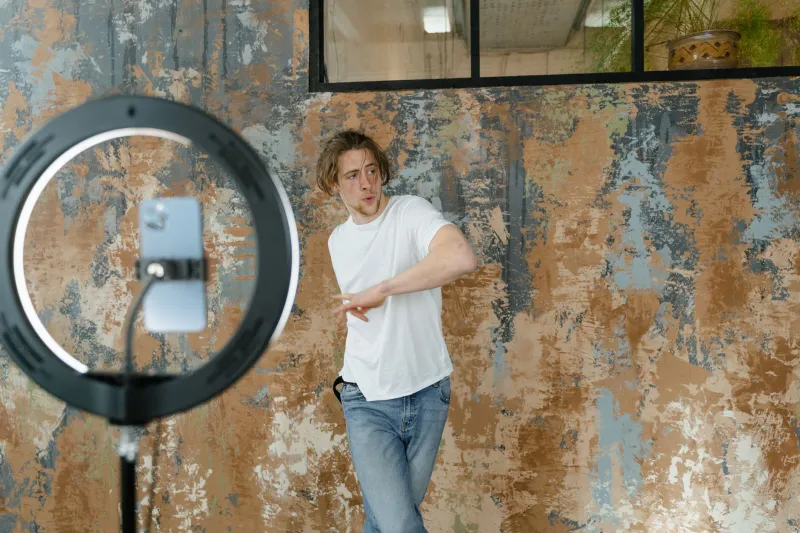
There is a circle of life on the internet, and it is deeply, profoundly tragic. It goes like this: a 19-year-old in their bedroom creates something genuinely weird and funny, it spreads like wildfire through For You pages everywhere, Gen Z claims it as their own sacred language — and then, roughly six to eight weeks later, a Fortune 500 company posts a TikTok using the sound with a caption that says something like "us when the new menu item drops 👀."
And just like that, the thing is dead.
Welcome to the TikTok-to-mainstream pipeline, the most reliable content conveyor belt in modern entertainment history. It churns constantly, it shows no mercy, and it has claimed victims ranging from beloved audio clips to entire aesthetic movements. Let's walk through exactly how it happens — and name some names while we're at it.
Stage One: The Beautiful Chaos (Weeks 1–2)
Every great TikTok trend starts in the same beautiful, unhinged place: total obscurity. Someone remixes an old Vine audio, or a sound from a niche anime, or genuinely just records themselves making a weird noise in their car. There's no strategy. There's no content calendar. There is only the vibe.
This is the golden window. During these first couple of weeks, the trend belongs entirely to the people who found it first. The jokes are layered, the references are specific, and if you don't get it — that's kind of the point. The in-group energy is everything.
Think about the era of "girl dinner," or the initial wave of "Roman Empire" content. Before the think-pieces arrived, before the morning shows tried to explain it to parents, it was just a genuinely funny shared cultural moment that felt like it belonged to everyone who was in on it.
Stage Two: The Algorithm Betrayal (Weeks 3–4)
Then the numbers go up. A celebrity reposts something. A mid-tier influencer with actual brand deals starts using the sound. The trend gets a name — because once journalists can name it, they will write about it, and once they write about it, the brands are reading.
This is the moment the clock starts ticking.
The trend is still fun at this stage! It hasn't fully broken yet. But you can feel it coming the way you can feel a cold coming on. There's a slight wrongness in the air. Someone's aunt has already seen a news segment about it.
Stage Three: Corporate America Enters the Chat (Weeks 5–8)
Oh no. Oh no no no.
Here come the brands. And look — we get it. Social media managers are real people with real jobs and real quarterly metrics to hit. Nobody is villainizing the individual human beings behind these accounts. We are, however, absolutely villainizing the decisions.
The classic corporate TikTok failure follows a very recognizable pattern. First, the brand uses the trend completely literally, stripping out all the irony that made it funny. Then they add their product in the most forced way imaginable. Then they use three to five hashtags that include both the trend name AND #ad. Then — and this is the killing blow — they post it two weeks after the trend has already peaked, because that's how long it took to get approved by legal.
Worst offenders, a brief hall of shame:
- Any bank or financial services company that has ever attempted a trending audio. The cognitive dissonance of a mortgage lender using a chaotic Gen Z sound is genuinely one of the funniest and saddest things the internet produces.
- Legacy fast food chains doing the "we're unhinged too!" bit, which started feeling desperate approximately eighteen months after Wendy's Twitter made everyone think brands could have personalities.
- TV networks using TikTok trends to promote shows that are actively about TikTok trends, creating a cringe ouroboros that should not exist.
Stage Four: The Celebrity Misfire (Sometimes Concurrent with Stage Three)
Brands aren't the only culprits. Celebrities — particularly the ones with management teams filtering their every move — have an equally impressive track record of arriving to a trend like someone showing up to a party four hours late and insisting on explaining every joke.
The tell-tale signs of a celebrity trend misfire: the execution is technically correct but spiritually empty, the caption over-explains what they're doing, and the comment section is full of people saying "we love you but this isn't it."
To be fair, some celebrities genuinely get it. The ones who do tend to be either chronically online in a real way, or smart enough to just hand their phone to someone younger and step back. The ones who don't tend to have a team of fifteen people who collectively decided this was a "moment" for the brand.
The Rare Exception: Brands That Actually Nail It
Okay, in the spirit of fairness, some brands do occasionally thread the needle. And when it happens, it's worth studying.
The brands that get it right almost always do the same things: they participate in trends early rather than late, they add something to the joke instead of just repeating it, and — crucially — they seem to understand that the humor is supposed to be AT them, not FROM them. Self-awareness is the secret sauce. A brand that can genuinely laugh at itself will always land better than one that's trying to seem cool.
Duolingo's TikTok era is the case study that every marketing professor is currently using, and for good reason. The unhinged owl bit worked because it committed fully to the chaos and never once felt like it was asking for your business.
Why Does the Magic Always Die?
Here's the real answer, and it's a little philosophical: TikTok trends work because they feel like secrets. The humor is built on shared context, on in-jokes, on the specific energy of people who are all in on the same bit together. The moment a thing becomes truly mainstream — the moment your local news covers it — that secret is out. The exclusivity that made it special evaporates.
Gen Z didn't invent this phenomenon. Punk went through it. Hip-hop went through it. Skateboarding went through it. Every subculture eventually gets discovered, packaged, and sold back to people at a markup. TikTok just runs that cycle in about forty-five days instead of forty-five years.
The brands aren't killing the trends, exactly. They're just showing up to the funeral and pretending they were close friends with the deceased.
And somewhere, right now, there's a 19-year-old in their bedroom making something new and weird and funny — and the clock is already ticking.