Born Famous, Instantly Iconic: The Nepo Baby Economy Is Running on Vibes and Daddy's Rolodex
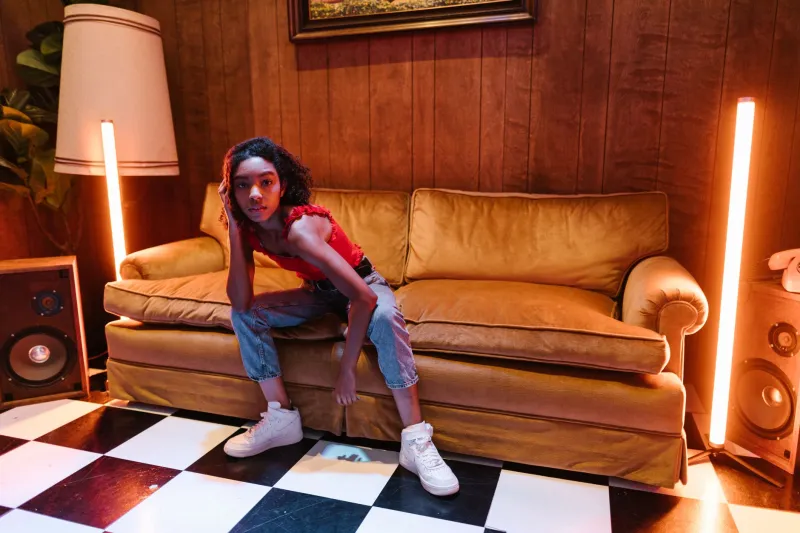
Somewhere between the third profile piece on a 22-year-old who has never had a job that wasn't handed to them and the fourteenth magazine cover featuring someone whose only verified skill is existing near a celebrity parent, a switch flipped in American pop culture. Being born into fame stopped being a footnote. It became the whole résumé.
Welcome to the Nepo Baby Industrial Complex — a self-sustaining ecosystem of inherited clout, carefully curated authenticity, and brand deals that arrive before these kids have done a single thing worth noting. It's efficient, honestly. Why build a career from scratch when you can just inherit one like a trust fund with better lighting?
The Origin Story Nobody Asked For But Everyone Got
Let's rewind. The concept of famous people's kids getting a leg up is not new. Hollywood nepotism has been a background hum since the studio era. What is new is the cultural decision to treat these offspring as phenomena in their own right — complete with parasocial fan bases, think pieces, and the kind of breathless media attention previously reserved for people who had, you know, done something.
The internet turbo-charged this. TikTok in particular became a launching pad where a nepo baby could post a 45-second video of themselves making toast with a vaguely relatable caption and wake up to 800,000 followers by morning. The algorithm doesn't care about merit. It cares about familiarity. And faces that remind you of faces you already love? Those faces get fed to you on a loop until you feel like you know them personally.
Suddenly, being genetically adjacent to a movie star is a content strategy.
The Credential Is the Bloodline
Here's the part that deserves a slow blink: the marketability isn't despite the lack of accomplishment — it's because of it. There's something weirdly aspirational about someone who coasts into a Chanel campaign or lands a podcast deal without grinding through the usual humiliating entry-level phase of any creative industry.
Brand partnerships have figured this out with cold, clinical precision. Why pay for celebrity when you can pay for legacy-adjacent celebrity at a slight discount, packaged in a younger, more TikTok-ready format? The nepo baby brings inherited name recognition, a built-in audience of people curious about their famous parent, and the added bonus of seeming relatable because they occasionally post gym selfies and complain about traffic.
It's a marketing department's dream. It's everyone else's low-grade existential crisis.
The Relatability Performance Is the Real Talent
Not all nepo babies are created equal, and the ones who thrive have mastered one very specific skill: performing normalcy. The podcast appearances where they discuss "figuring it all out." The Instagram captions about bad days that conveniently omit the part where a bad day still happens inside a Malibu property worth eight figures. The carefully timed admission that yes, their parents helped them get their first audition, delivered with just enough self-awareness to preempt criticism.
This is genuinely hard to do well, which is maybe the most ironic thing about the whole situation. The actual talent on display is the talent for managing public perception — a skill that, to be fair, their parents probably modeled for them from birth.
Some of them even lean into it. The ones who go full chaos — who post unfiltered, who make jokes about their own inherited advantage, who don't pretend to be self-made — those are the ones who actually build something that feels real. Which is its own kind of wild: authenticity as a differentiator in a space defined by access.
The Fan Base Is Doing the Most
Perhaps the strangest subplot in all of this is the parasocial devotion that follows these figures before they've released a single song, film, or coherent body of work. Fan accounts spring up. Reddit threads dissect their fashion choices. People on stan Twitter go to war defending the reputation of someone whose primary public achievement was attending a premiere.
This isn't entirely irrational, by the way. Parasocial attachment doesn't require achievement — it requires presence. And nepo babies, by virtue of being born into the media ecosystem, have presence in abundance. They've been photographed since birth. Their names have been floated in gossip columns since before they could form sentences. By the time they post their first solo TikTok, the audience already feels a history with them that has nothing to do with anything they chose to do.
It's parasocial relationship speed-running, and the starting line was a hospital photo-op twenty years ago.
The Discourse Industrial Complex (Meta, But Necessary)
And then there's us. The audience. The people writing the articles, watching the videos, arguing in comment sections about whether so-and-so deserves their Vogue spread. Here's an uncomfortable truth: the Nepo Baby Industrial Complex runs on outrage just as efficiently as it runs on admiration. Every "this is ridiculous" hot take is still a click. Every dunking thread is still engagement. Every article dissecting the phenomenon — yes, including this one — is feeding the machine.
The discourse is the product. The conversation about whether they deserve the attention is itself generating attention. It's a closed loop that benefits everyone in the ecosystem except the people who spent a decade actually developing a craft and are still waiting for their shot.
So What Do We Actually Do With This Information
Probably nothing, honestly. The Nepo Baby Industrial Complex isn't going anywhere because it is perfectly calibrated to survive. It gives audiences someone to root for, someone to resent, and someone to endlessly discuss. It gives brands a low-risk shortcut to cultural relevance. It gives media companies content that practically writes itself.
The best any of us can do is go in with eyes open. Enjoy the content if you enjoy it — no shame in that. But maybe hold off on the think piece about their groundbreaking artistic vision until they've actually, demonstrably, produced some art. And maybe — just maybe — redirect some of that parasocial energy toward someone who built their platform from an apartment with bad Wi-Fi and a ring light they bought on sale.
Those people exist. They're just harder to find because their parents aren't in the algorithm's training data.
Friizle does not endorse blaming the nepo babies themselves for a system they were born into. We do, however, fully endorse raising an eyebrow at the system.