Seven Subscriptions, Zero Chill: How Streaming Services Robbed Us in Slow Motion
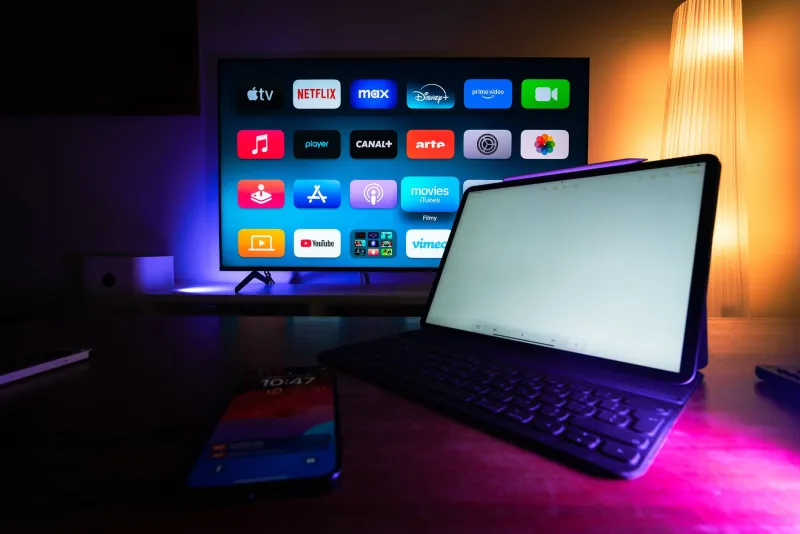
There was a moment — a beautiful, naive, golden moment — when streaming felt like a revolution. No more cable bundles stuffed with 400 channels you'd never watch. No more paying for the Golf Network when you've never held a club in your life. Streaming was supposed to be the answer. Clean. Simple. Cheap. A glorious buffet of content for the low, low price of 'less than a pizza.'
That moment is dead. And we need to talk about the funeral.
The Honeymoon Phase Was a Lie We Happily Believed
Let's set the scene: It's 2013. Netflix charges you $7.99 a month. You can share your password with your mom, your college roommate, your cousin Derrick who lives in a van. Nobody cares. The content is flowing. House of Cards is making you feel sophisticated. Orange Is the New Black is the only thing anyone is talking about at brunch. Life is good.
Fast forward to now. Netflix has multiple pricing tiers, an ad-supported plan that feels like a punishment, and a crackdown on password sharing so aggressive it has the energy of a DMV employee on a power trip. The cheapest plan is hovering around $7 — but that's with ads, which is technically the same price as the old plan except now you also have to watch a Chevy Silverado commercial before your prestige drama.
And Netflix isn't even the worst offender. It's just the one that broke our hearts first.
The Timeline of Betrayal (Abridged)
Here's a rough sketch of how we got here, in case you've blocked it out for your own mental health:
2007-2015: Streaming is the scrappy underdog. Prices are low, libraries are growing, and the whole vibe is 'we're not like those evil cable companies.'
2016-2019: Every major studio and network watches Netflix print money and decides they want in. Disney, HBO, Peacock, Paramount, Apple — everyone starts pulling their content off Netflix to launch their own platform. Suddenly, Friends costs extra. The Office is hostage somewhere else. You're subscribing to things you never planned to subscribe to.
2020-2021: Pandemic hits. Streaming explodes. Everyone signs up for everything because what else are you doing? The platforms rake in subscribers and investors are thrilled. Content budgets go absolutely feral. We get a show about a tiger man. It's fine.
2022-2024: The bill comes due. Subscriber growth slows. Wall Street panics. The platforms, in unison, collectively lose their minds. Price hikes. Ad tiers. Password-sharing crackdowns. Canceled shows — sometimes before they even air. The great content purge begins, where finished, completed shows get yanked from platforms just for a tax write-off. Rest in peace, Batgirl. We barely knew ye.
The Chaotic Math Nobody Wants to Do
Okay, let's actually run the numbers, because this is where it gets genuinely unhinged.
A mid-tier Netflix plan runs about $15.49 a month. Max (formerly HBO Max, formerly HBO Go, formerly a service with a coherent identity) is another $15.99. Disney+ bundles with Hulu and ESPN+ for around $24.99 if you go ad-free. Paramount+ will cost you $12.99. Peacock Premium is $7.99. Apple TV+ is $9.99. Amazon Prime Video technically comes with Prime, but Prime is now $139 a year, so let's call it $11.58 a month.
Are you doing the math? Because that's roughly $98 a month for seven streaming services. The average cable bill in America before the streaming revolution? About $100 a month.
We did it, everyone. We reinvented cable. Congratulations to us.
The Shows We Wanted Are Gone. The Shows We Didn't Ask For Are Everywhere.
Here's the cruelest joke in all of this: the content got worse as the prices went up. Or rather, the stuff worth watching keeps disappearing while the platforms flood the zone with mid-budget reality shows about people renovating beach houses and dating strangers on islands.
Platforms have become obsessed with quantity over quality — and then, when the numbers don't pop in the first weekend, they cancel everything before it finds an audience. Shows with devoted fan bases get axed after one season. Completed films get shelved. Entire animated series disappear from platforms without warning, sometimes deleting the work of hundreds of artists from existence.
And if you try to find something specific? Good luck. The search functions on most streaming apps are aggressively, almost impressively bad. You'll type in a title, get zero results, and somehow end up watching a documentary about competitive cheese rolling in Gloucestershire. Which, fine, is actually pretty entertaining. But that's not the point.
The Password Crackdown Is Peak Villain Energy
Of all the moves streaming platforms have made, the password-sharing crackdown is the one that most clearly signals that the customer-friendly era is over.
Netflix built an enormous portion of its early user base on people who shared accounts. Those users got hooked. They became paying subscribers when they could afford it. The shared account was essentially a free trial that lasted years. It worked. The model worked.
Then Netflix decided to treat that exact behavior — the thing that helped build their empire — like a crime. They introduced household verification. They sent passive-aggressive emails. They made your parents call you in a panic because they couldn't log in from Florida. They turned a feature into a felony.
Other platforms followed. Because of course they did.
So What Do We Actually Do?
Honestly? The move most people are making is rotating. Subscribe to one platform, binge what you want, cancel, move to the next. It's the streaming equivalent of those people who only date someone long enough to get a free dinner. Chaotic? Yes. Effective? Also yes.
The other option is just accepting that we live in a subscription economy now and everything costs money forever and the concept of owning media is dead. You can buy that movie on Amazon and they can remove your access to it later. You can pay for a show and the studio can delete it for tax purposes. Nothing is real. Everything is a lease.
Or you could go back to cable. But we don't talk about that.
The streaming dream isn't dead, exactly. It's just been monetized within an inch of its life, wrapped in three different ad tiers, and handed back to you with a bill that somehow looks exactly like the one you were trying to escape. Welcome to the future. Please update your payment method.