Caught in the Wild (On Purpose): How Celebrity 'Raw and Real' Moments Are the Most Calculated Thing They've Ever Done
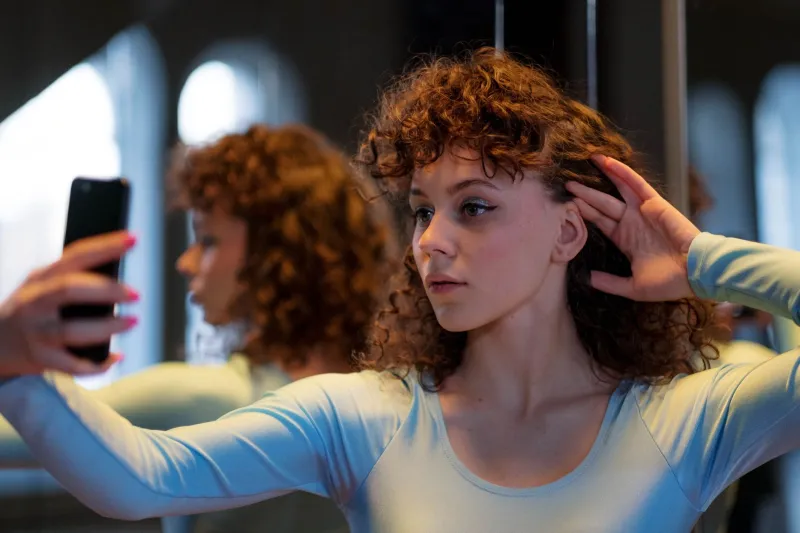
Let's set the scene. A mega-famous celebrity posts a photo. No filter. Slightly unflattering lighting. A caption that says something like "just me, existing 🌿." The comments erupt. "So real." "We don't deserve her." "This is why she's different."
And somewhere in a sleek Los Angeles office, a publicist closes their laptop and whispers, "Perfect."
Welcome to the authenticity industrial complex — the most sophisticated, emotionally manipulative, and frankly impressive PR operation running in entertainment today. The game has changed. It's no longer about looking flawless. It's about looking like you've stopped trying to look flawless. And the celebrities who've mastered this? They are operating on a level of strategic genius that most Fortune 500 companies would envy.
The "No Makeup" Selfie Is a Weapon
Let's start with the classics. The no-makeup selfie. The one where a celebrity shows up on your feed looking effortlessly dewy, slightly tired in a relatable way, and somehow still cheekbone-perfect. The caption usually implies vulnerability — something about mental health, a rough week, or just "keeping it honest with you guys."
Here's what that photo actually involves: a ring light positioned at a carefully tested angle, a skincare routine that costs more than your monthly rent, a photographer who may or may not be a professional, and approximately forty-five minutes of preparation to look like zero minutes of preparation. Oh, and the posting time? Definitely not random. That went up during peak engagement hours, honey.
None of this is accidental. And none of it is wrong, exactly. But calling it "unfiltered" is like calling a Michelin-star dish "just something I threw together." Technically true. Deeply misleading.
Relatability Is the New Luxury Brand
For the longest time, celebrities sold aspiration. The goal was to look untouchable — red carpets, designer everything, a lifestyle so gilded it made regular humans feel pleasantly small. Then social media happened, and suddenly untouchable was out. Relatable was in.
Now the most valuable thing a celebrity can project isn't wealth or beauty — it's the illusion that they're just like you, except famous and rich and also impossibly beautiful. They eat fast food on camera. They post blurry mirror selfies. They talk about anxiety and bad days and the time they cried in a grocery store. And we love it, because it scratches a very human itch: the desire to feel like the people we admire are, at their core, just people.
The problem is that relatability has become its own performance metric. It's a brand strategy with KPIs. There are entire PR teams whose job is to manufacture moments that feel spontaneous. "Candid" paparazzi shots are often coordinated. "Random" fan encounters get quietly tipped off. Even the emotional confessionals — the teary Instagram Lives, the vulnerable podcast appearances — are frequently timed to coincide with album drops, movie releases, or the need to rehabilitate a public image after some mildly catastrophic behavior.
Relatability, in celebrity culture, is just aspirational content wearing a hoodie.
The Psychology of Why We Keep Falling For It
Okay but here's the thing — why do we keep buying it? We're not dumb. We know, intellectually, that a celebrity's "messy bun day" was coordinated. So why does it still work?
Because our brains are wired for parasocial connection in a way that bypasses our critical thinking like it's a terms-and-conditions page. When someone shares something that feels vulnerable, our nervous systems respond with warmth and trust regardless of whether that vulnerability is genuine. It's called parasocial interaction, and it's the psychological engine powering about 90% of influencer culture.
Celebrities (and their teams) understand this deeply. The more "human" they appear, the more emotionally invested their audience becomes. And emotional investment translates directly to streams, ticket sales, engagement rates, and the kind of fierce fan loyalty that will defend a celebrity online with the energy of a mama bear protecting cubs — even when the celebrity in question is a multimillionaire who will never know those fans exist.
The authenticity play isn't just aesthetically pleasing. It's profitable.
The Spectrum of Fake Realness (Ranked)
Not all manufactured authenticity is created equal. Here's a quick field guide:
The Strategic Vulnerability Drop — Timed emotional revelation, usually around a project launch. Distinguishable by the fact that it's always just vague enough to generate sympathy without requiring any actual accountability.
The Curated Mess — A photo of a "messy" kitchen, a "chaotic" morning, a "disaster" of a hotel room. Everything in frame is still somehow aesthetically pleasing. The mess has been composed.
The Self-Deprecating Humble Brag — "I can't believe this is my life" posted from a yacht. Technically expressing disbelief. Actually just a flex with plausible deniability.
The Unsolicited Candid — Paparazzi photos of a celebrity "just living their life" that were definitely, 100%, absolutely not called in by anyone on their team. Definitely.
The Actual Real Moment — Rare. Chaotic. Usually involves bad lighting, an unflattering angle, and a celebrity who looks genuinely caught off guard. You'll know it when you see it because it makes everyone slightly uncomfortable.
Does Any of It Actually Matter?
Here's where it gets complicated. Does it matter that celebrity "realness" is a carefully managed performance? Kind of, yes. But also — kind of, not really.
On one hand, the relentless performance of authenticity contributes to a culture where regular people feel pressure to also perform their own authenticity — their own messy buns and emotional captions and "raw" moments — which is genuinely exhausting and a little philosophically disturbing.
On the other hand, if a celebrity's strategically timed vulnerability post actually resonates with someone going through something hard, does the strategy behind it cancel out the impact? That's a much thornier question, and honestly, one we're going to leave right there on the floor.
What we can say is this: the next time a celebrity posts something that makes you think "wow, they're so real," take a single beat to appreciate the craft involved. Because what you're witnessing isn't an absence of effort. It's effort so refined, so practiced, and so precisely calibrated that it looks like no effort at all.
That's not a flaw in the system. That's the system working exactly as intended.
And honestly? Respect the hustle. Even if the hustle is pretending there's no hustle.