It's Not Me, It's You: America Is Breaking Up With Its Celebrities and Making It Everyone's Problem
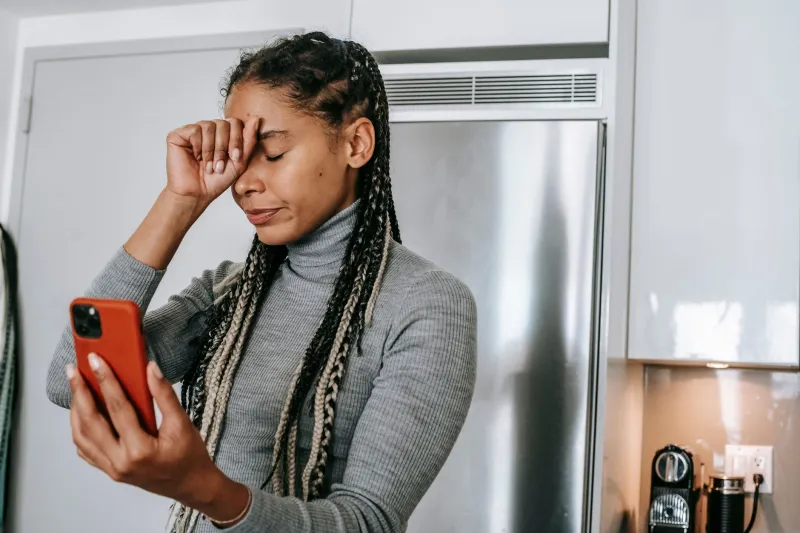
Somewhere right now, someone is sitting in their car composing a very serious Twitter thread about why they are officially done with a person who has never once thought about them. The thread will be long. It will use the phrase "I defended you." It will end with a declaration so final and so dramatic that you'd assume these two people had a decade of shared history, a joint lease, and a golden retriever named Biscuit.
They do not. One of them is famous. The other is just a fan. And yet here we are.
The parasocial breakup has arrived as the defining emotional event of our current celebrity culture moment, and honestly? It's a lot.
What Even Is a Parasocial Relationship (And Why Are We All in Several of Them)
For the uninitiated — or those who have been blissfully offline for the past decade — a parasocial relationship is basically a one-sided emotional bond. You feel like you know someone. You've watched their interviews, followed their Instagram Stories, consumed their podcast, streamed their specials. You've laughed with them, cried adjacent to them, and genuinely felt proud of their wins like a weird long-distance aunt.
The celebrity, meanwhile, has no idea you exist.
This isn't a new phenomenon. People had parasocial relationships with Frank Sinatra and Marilyn Monroe. But social media turbocharged the whole thing into something that hits different. When a celebrity is posting daily vlogs, doing Instagram Lives from their kitchen, and replying to fan comments, the illusion of genuine connection becomes almost impossible to resist. They feel accessible. They feel real. They feel like someone you could theoretically run into at a Whole Foods and have an actual conversation with.
And then they do something terrible — or just mildly disappointing — and suddenly you're drafting a breakup speech for a relationship that technically never existed.
The Betrayal That Wasn't (But Absolutely Felt Like One)
Here's the thing about parasocial breakups: they almost always involve a perceived betrayal. Not an actual one, because again — strangers — but a felt one. And the list of offenses that qualify has gotten impressively expansive.
Maybe your favorite musician released an album that felt "too commercial." Maybe your beloved actress got photographed at a fundraiser for the wrong politician. Maybe a YouTuber you've watched since 2016 started selling a $90 supplement powder that is almost certainly just flavored chalk. Maybe a comedian made a joke that landed wrong. Maybe they just... got rich and started acting like it.
None of these things were done to you, technically. But that's not how it feels, is it? It feels personal. It feels like a violation of something sacred. It feels like they looked directly into the camera, directly into your soul, and chose to disappoint you on purpose.
The psychology here is genuinely fascinating and a little bit haunting. When we invest emotional energy into a public figure, our brains start filing that connection in the same drawer as our real relationships. So when the illusion cracks, the emotional response mirrors actual relational pain. Rejection. Grief. Anger. The whole messy catalog.
The Public Announcement Is the Whole Point
What makes the modern parasocial breakup truly distinct is the performance of it. It's not enough to quietly stop following someone and move on with your life like a well-adjusted adult. No. The breakup must be announced. It must be witnessed. It must generate engagement.
"I'm done with [Celebrity Name] and here's why" posts have become their own content genre, complete with receipts, a chronological account of the relationship's decline, and usually a closing statement that implies the celebrity should feel lucky they had your support for as long as they did.
And here's the genuinely wild part: there's real social currency in this. Being first to publicly abandon a celebrity mid-scandal earns you credibility. It signals that you have standards. That you are not a sheep. That you saw through the carefully constructed public image before everyone else did. The parasocial breakup, performed correctly, is a flex.
Which means it's also, inevitably, a little bit about the person doing the breaking up.
The Weird Grief That Follows
But strip away the performance and something genuinely tender lives underneath all of this. Because some of these fans really loved these celebrities. Not in a creepy way — in the very human way that we love things that bring us comfort and joy and a sense of belonging.
Fandom communities are real communities. The shared enthusiasm for an artist or an actor or a content creator creates actual friendships, actual inside jokes, actual rituals. When the celebrity at the center of that community does something that fractures the group's faith in them, it doesn't just affect your relationship with the famous person. It affects your relationship with the entire ecosystem that famous person built.
That's a real loss. It deserves at least a little compassion, even when the grief looks ridiculous from the outside.
The mistake is in directing all of that grief outward — at the celebrity, at other fans who aren't breaking up fast enough, at anyone who suggests that maybe we should all calm down a little. The grief is real. The relationship was not. That's a confusing place to sit.
The Celebrities Who Saw It Coming
Some public figures have clearly done the math on parasocial attachment and made a calculated decision to exploit it for as long as possible before the inevitable implosion. The ultra-personal content. The fan meet-and-greets that cost $400. The merch that says things like "you're part of my family." The carefully crafted vulnerability that makes you feel like you're in on something private.
All of it is designed to deepen the attachment. And the deeper the attachment, the more dramatic — and more public — the eventual breakup.
This is not an accident.
So What Do We Actually Do With This
Honestly? Probably nothing that dramatic.
You're allowed to be disappointed when someone you admired turns out to be more complicated than their highlight reel. You're allowed to stop consuming their content. You're allowed to feel a little weird about the whole thing for a while.
You're maybe not required to write a seventeen-tweet thread about it at 2 a.m. You're maybe not obligated to spend the next week relitigating every red flag you ignored. You're possibly not the main character in a story that the other party doesn't even know is happening.
But if you need to post the thread anyway — and statistically, some of you definitely will — at least know what you're really processing. Not a breakup. Not a betrayal. Just the very human experience of realizing that the version of someone you loved was always partly your own invention.
That's okay. It happens to the best of us.
The celebrities, for their part, will be fine. They're on a yacht somewhere, completely unaware that you are grieving them.
Which is honestly the most on-brand ending to a relationship that was never real in the first place.