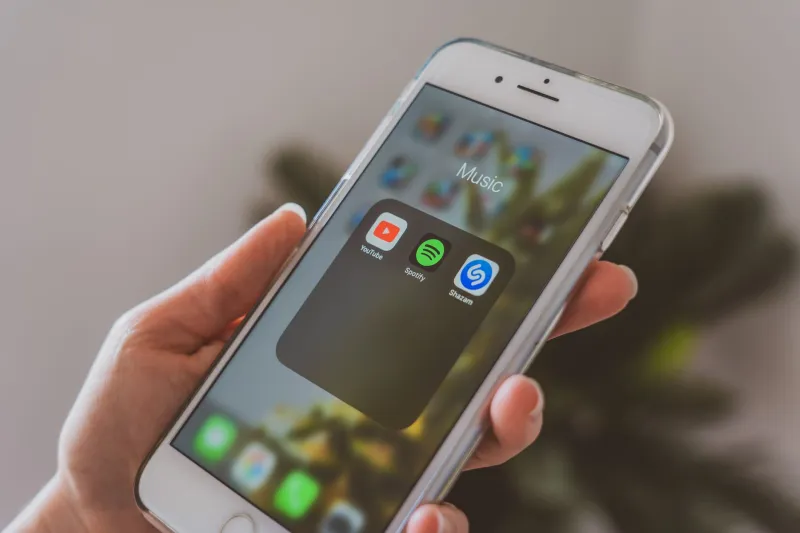
It arrives every year like clockwork — that colorful, animated little package from Spotify that tells you exactly who you are as a person based on your streaming data. Your top artists. Your most-played songs. Your listening 'aura,' or whatever increasingly unhinged metric they've invented this time.
And every year, without fail, people screenshot it, tweak the framing, post it to their stories, and silently pray that nobody noticed the 847 plays of a certain pop banger they've been mentally categorizing as 'ironic.'
Spotify Wrapped is no longer a music feature. It's a performance. A yearly ritual of taste curation so elaborate it makes a dating profile look casual. And it's time we talked about what's actually going on.
The Annual Taste Olympics Nobody Asked For
Here's how Wrapped works in theory: Spotify compiles your actual listening data and presents it back to you. Simple. Honest. Potentially humbling.
Here's how Wrapped works in practice: people spend the final months of the year in a low-grade panic about what their data is going to say, making increasingly deliberate streaming choices like they're preparing for an audit. Suddenly, that Phoebe Bridgers album is getting a lot of attention. The Turnstile record gets dusted off. Someone, somewhere, is streaming a Mitski deep cut they genuinely do not understand but appreciate the aesthetic of.
Meanwhile, the same pop song that's been their actual most-played track since March sits at the top of the data like a confession nobody wants to make.
The result is a document that is technically accurate and emotionally fraudulent at the same time. Impressive, really.
Indie Cred as Social Currency
The core anxiety driving all of this is pretty easy to identify once you name it: in certain social circles — and on certain corners of the internet — musical taste is treated as a proxy for intelligence, depth, and overall personhood. Listening to 'the right things' signals that you're thoughtful, culturally engaged, a little bit interesting. Listening to chart-toppers signals... what, exactly? That you enjoy things people enjoy?
Somewhere along the way, mainstream became a slur in music discourse, and 'indie' became a personality trait rather than a distribution model. And Wrapped, with its very public, very shareable format, turned this anxiety into an annual social event with real stakes.
Admitting you streamed the same Taylor Swift song 612 times is treated with the same energy as admitting you haven't read a book since high school. People will apologize for their Wrapped. They'll add disclaimers. 'Okay so I know this looks bad but—' No. Stop. You liked a song. You are fine.
The People Who Actually Listen to What They Claim
They exist. They're out there. These are the people who have been genuinely, non-performatively into obscure music since before it was a social strategy — the ones who discovered that artist three years before the algorithm caught up and who feel genuinely conflicted when something they love goes mainstream.
Ask them about their Wrapped and they'll shrug. 'It's pretty accurate,' they'll say, and then list four bands you've never heard of without a single trace of smugness. (Okay, maybe a little smugness. But earned smugness.)
The irony is that these people — the actual listeners, the genuine music obsessives — are the ones Wrapped was ostensibly designed to celebrate. Instead, the feature has been colonized by everyone trying to look like those people, which has made the whole thing a kind of elaborate game of musical dress-up.
Celebrity Wrapped: A Brief Hall of Fame of Embarrassments
Celebrities are not immune to this phenomenon. In fact, they might be more vulnerable to it, because their Wrapped goes through a second layer of public scrutiny when they post it.
The moments that live rent-free in pop culture memory are always the ones where the mask slips — the A-lister whose top genre is something deeply unexpected, the musician whose own song isn't in their top five (which raises questions), the very cool person whose number-one artist is someone they'd never publicly endorse in an interview.
These moments are delightful not because they're embarrassing, but because they're real. The algorithm doesn't lie. It just doesn't care about your image, and that's genuinely refreshing in an era where everything is managed within an inch of its life.
What We're Actually Scared Of
Peel back the taste performance anxiety and what you find underneath is something pretty human: the fear that your actual preferences reveal something unflattering about you. That if people see what you really listen to — especially alone, especially in the car, especially at 2am — they'll make a judgment.
But here's the thing Wrapped accidentally exposes every year: everyone is listening to something they think they shouldn't be. The person posting the most carefully curated indie Wrapped has a secret playlist they'd die before sharing. The music snob has a guilty pleasure so guilty it has its own folder. We are all, every single one of us, listening to something embarrassing on repeat.
The difference is just who's willing to admit it.
A Modest Proposal: Just Tell the Truth
Imagine — and stay with us here — posting your actual Wrapped. Unedited. No disclaimers. No 'okay but in my defense.' Just the raw data, offered to the world like a gift.
You streamed a Jonas Brothers song 400 times? Post it. You've had the same three artists in your top five since 2019? Show the people. Your most-listened-to genre is described as 'sad girl indie pop' and you're a 34-year-old man? Let it breathe.
The radical act of just... liking what you like, publicly, without apology, might actually be the most interesting thing you can do in an era of relentless curation. It would certainly make Wrapped more fun to look at.
Or, you know, keep streaming that Bon Iver album you don't actually enjoy just to balance out the Sabrina Carpenter numbers. We're not here to tell you how to live.
We're just here to point out that the algorithm already knows. It always knows.